Living alone with no income, Savitri receives a monthly ration kit that has become her lifeline — and a regular visit that reminds her she is not forgotten.

In a moment of crisis, a little help can mean everything. Our Help for the Poor program delivers food, clothing and relief with dignity to families struggling to get through the hardest days.
Behind every statistic about poverty is a real family — a grandmother skipping meals so her grandchildren can eat, a daily-wage worker with no income after an accident, a household swept up in a flood or a sudden loss. For these families, hunger and want are not distant problems but tonight's reality. Our Help for the Poor program responds to that reality with speed, compassion and respect.
We distribute ration kits, warm clothing, blankets and emergency relief to those who need it most, and we do it in a way that protects their dignity. Charity, done badly, can shame; done well, it restores hope. We are committed to the second kind — help that says 'you matter' as clearly as it fills an empty plate.
We hold ourselves to one firm rule: help must never humiliate. The way relief is given matters as much as the relief itself, so we deliver every kit and every blanket with warmth, respect and the clear message that the person in front of us is valued, not judged.
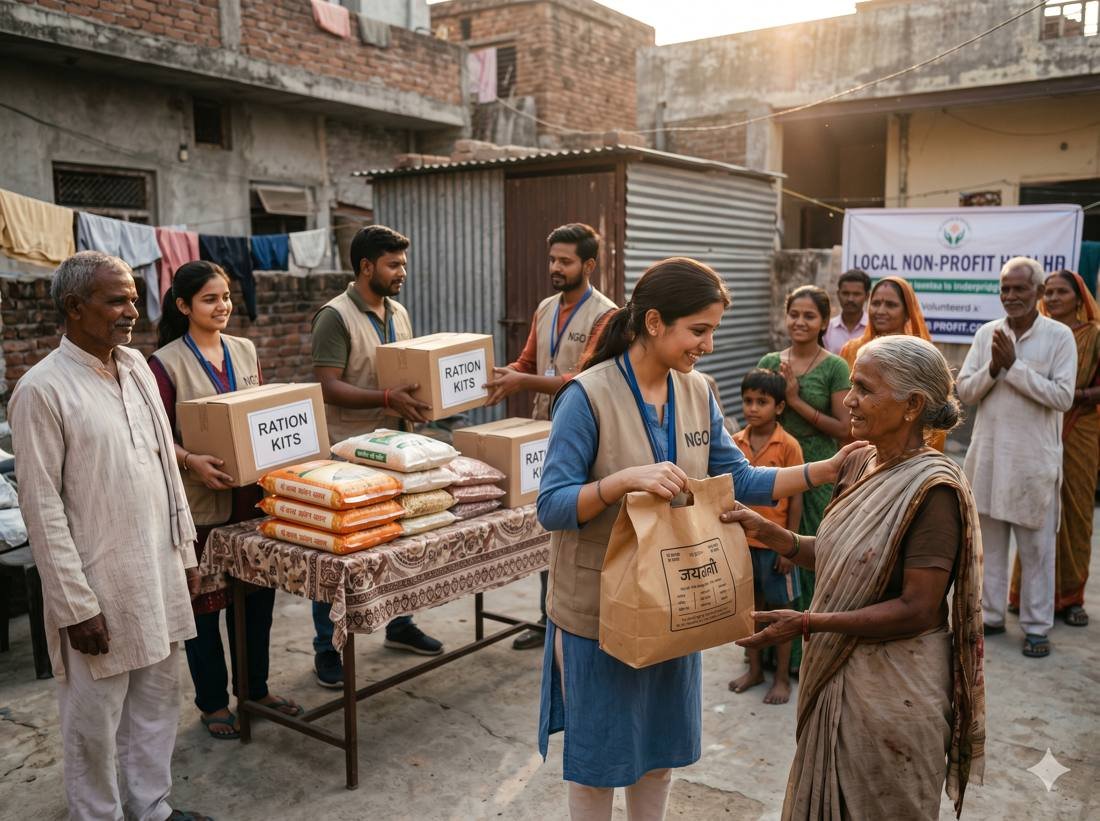
Poverty is rarely a steady state — it is a series of crises. An illness, a job lost, a bad harvest, a winter without warm clothes: any one of these can push a struggling family over the edge. Timely relief at these moments prevents a temporary hardship from becoming permanent ruin, keeping children in school and families together.
Basic needs come before everything else. A hungry child cannot study; a sick, cold parent cannot work. By meeting these most fundamental needs, we create the stability on which every other kind of progress — education, skills, health — can be built. This program is, in many ways, the floor that holds the rest up.
And there is the simple matter of human dignity. No one should have to beg for a meal or face a harsh winter without a blanket. Reaching out to a struggling neighbour is the most basic expression of a caring society, and it is at the very heart of why our foundation exists.
Timely relief also protects the gains of all our other work. A family whose child is in our school, or whose mother is learning a skill, can lose everything in a single crisis — and with it, the chance to keep moving forward. By catching families before they fall, relief safeguards the slow, hard progress they have already made toward a better life.
Relief, given well, restores more than the body — it restores hope. A family on the edge of despair, suddenly shown that strangers care whether they eat or stay warm, often finds the strength to keep going. That renewal of hope, intangible as it is, can be the very thing that carries a household through its darkest stretch and back toward stability.
A distribution day is quiet and orderly, but the stories behind each face are anything but ordinary. An elderly widow who has eaten less so her grandchildren could eat more; a worker injured and unable to earn for weeks; a family that lost everything in a flood. They come not for charity's sake but out of genuine need, and our volunteers greet each one by name where they can, handing over relief with a steadiness that restores a little dignity along with the food.
We try never to let the relationship end at a single handout. Where we can, we note which families might benefit from our skill, education or health programs, and we gently open those doors. A ration kit gets a family through this month; a skill or a job can get them through every month after. That bridge — from immediate relief to lasting self-reliance — is what we are always trying to build.
We rely on trusted local volunteers to identify who is most in need, because they know their neighbours' real circumstances far better than any form or survey could. This grassroots knowledge means our relief reaches genuine need rather than the loudest voices, and it allows us to respond quickly and fairly, especially when an emergency leaves no time to lose.
We see the same faces move, over time, from the relief queue to our skill and education programs — and that journey is exactly what we hope for. Immediate help is never meant to be the end of the story; wherever we can, we use that first contact to open a door toward a future where the family no longer needs relief at all.
Our Help for the Poor program works on several fronts at once, so that we address not just the symptom but the whole need. Here is how we make a difference on the ground:
We provide ration kits of staple foods to families facing hunger — especially the elderly, widows, the disabled and households hit by sudden crisis.
Warm clothes and blankets save lives in harsh winters. We distribute clothing and bedding to those exposed to the cold, including the homeless and elderly.
When floods, fires or other disasters strike, we mobilise quickly to deliver essential relief to affected families when they need it most.
Beyond immediate relief, we help families access government welfare schemes and connect them to our other programs so they can move toward self-reliance.
We give with respect, reach the truly needy, and try never to stop at a one-time handout. Wherever we can, we connect a family in crisis to a path out of it.
A few moments from our Help for the Poor work on the ground:
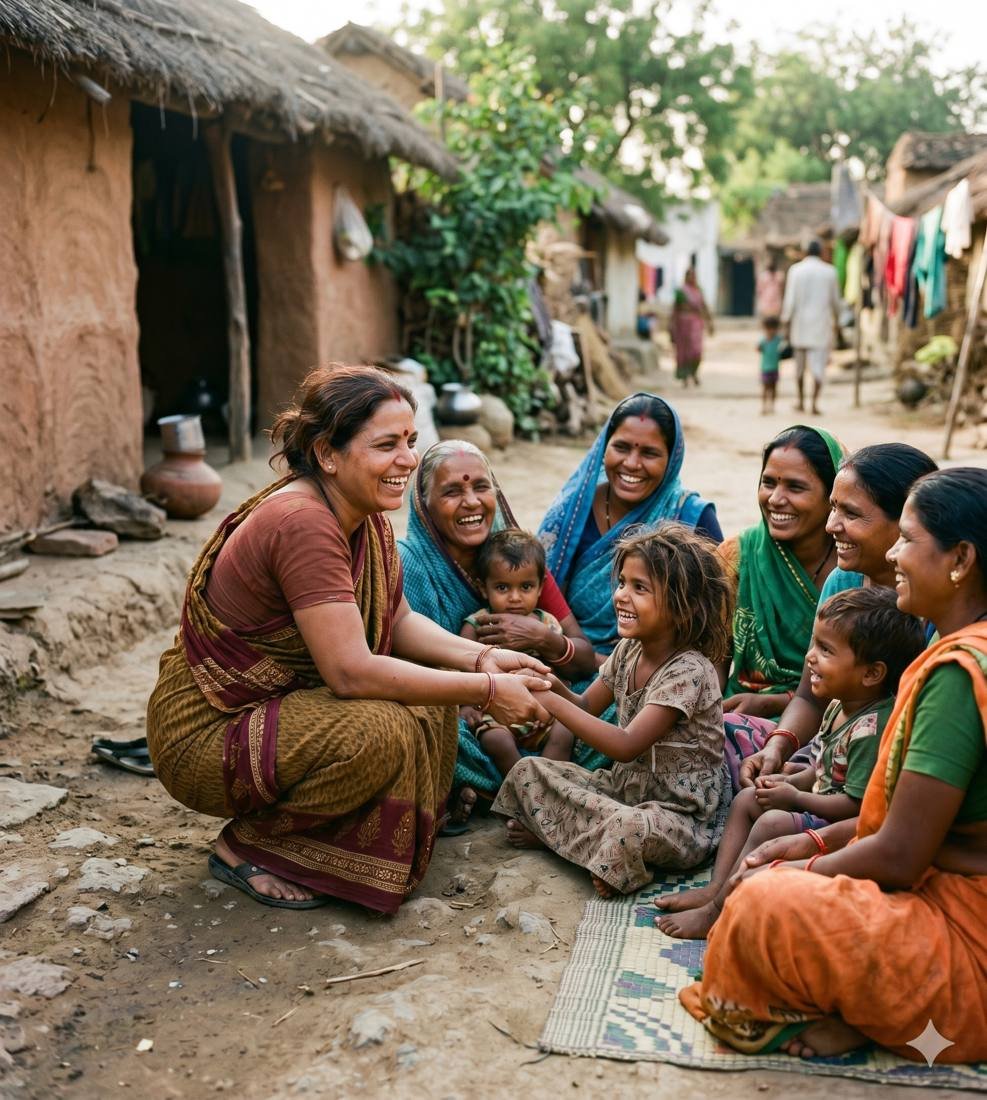
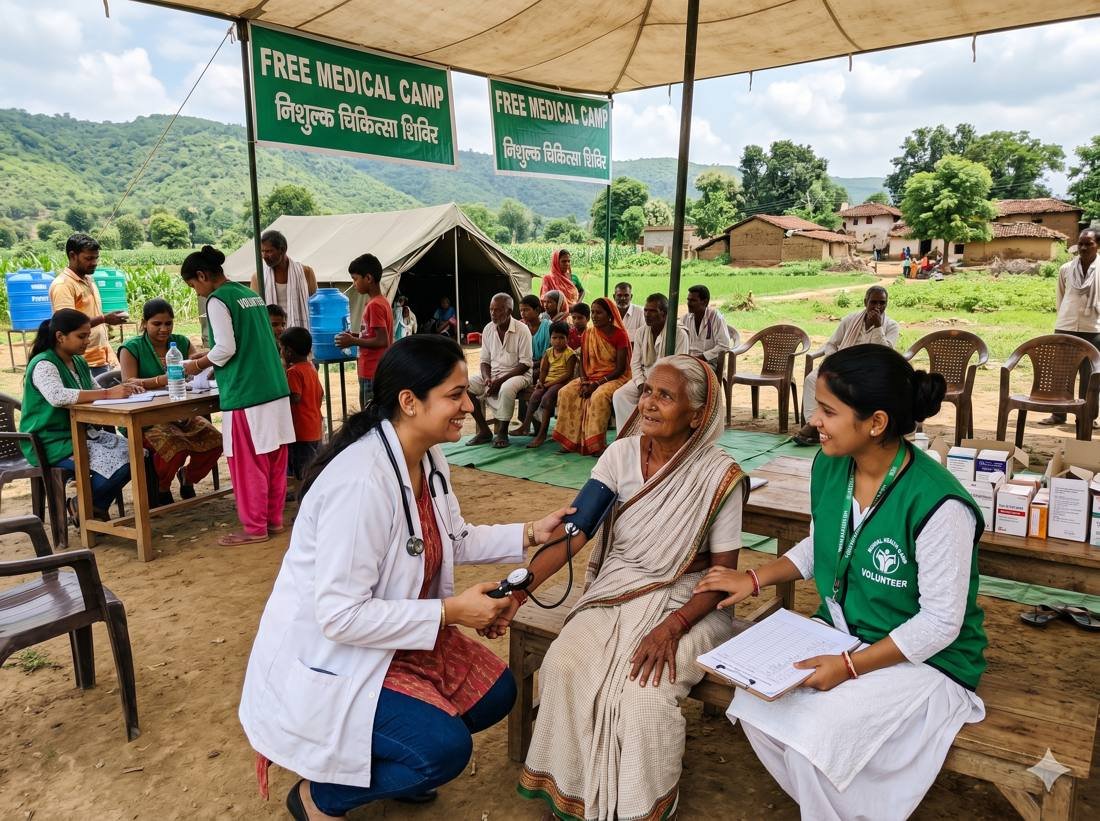
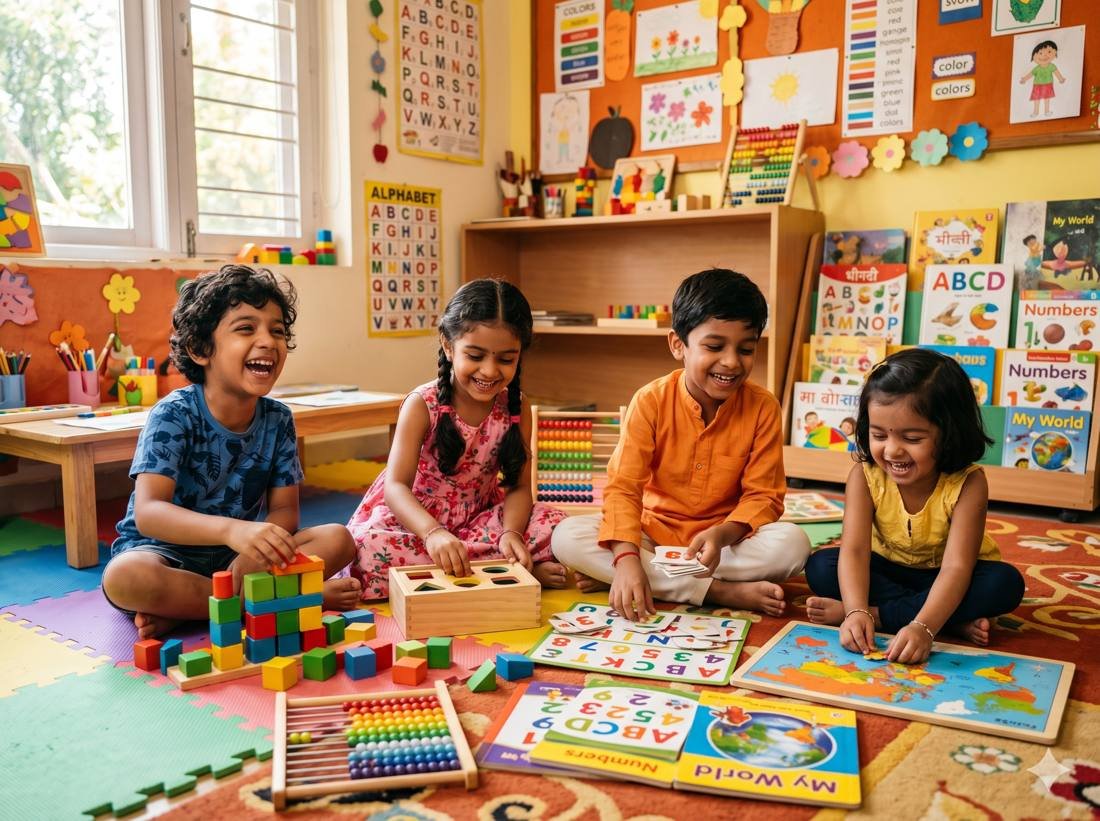
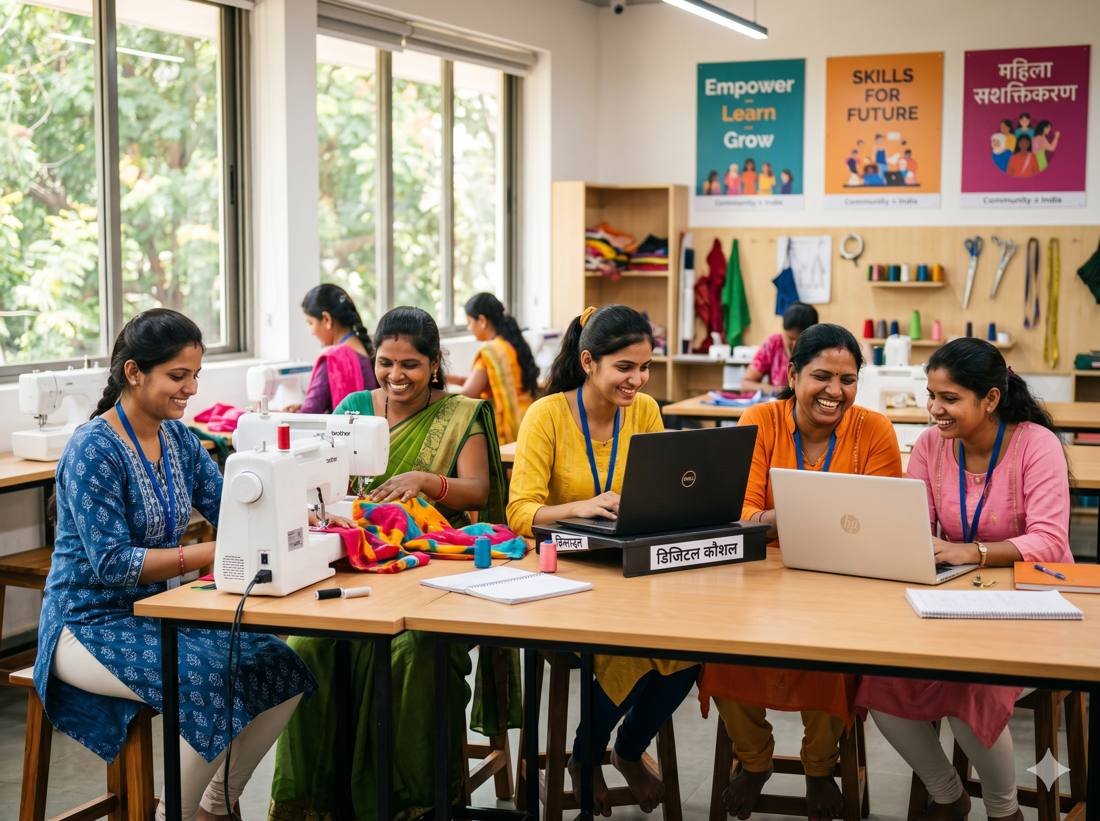
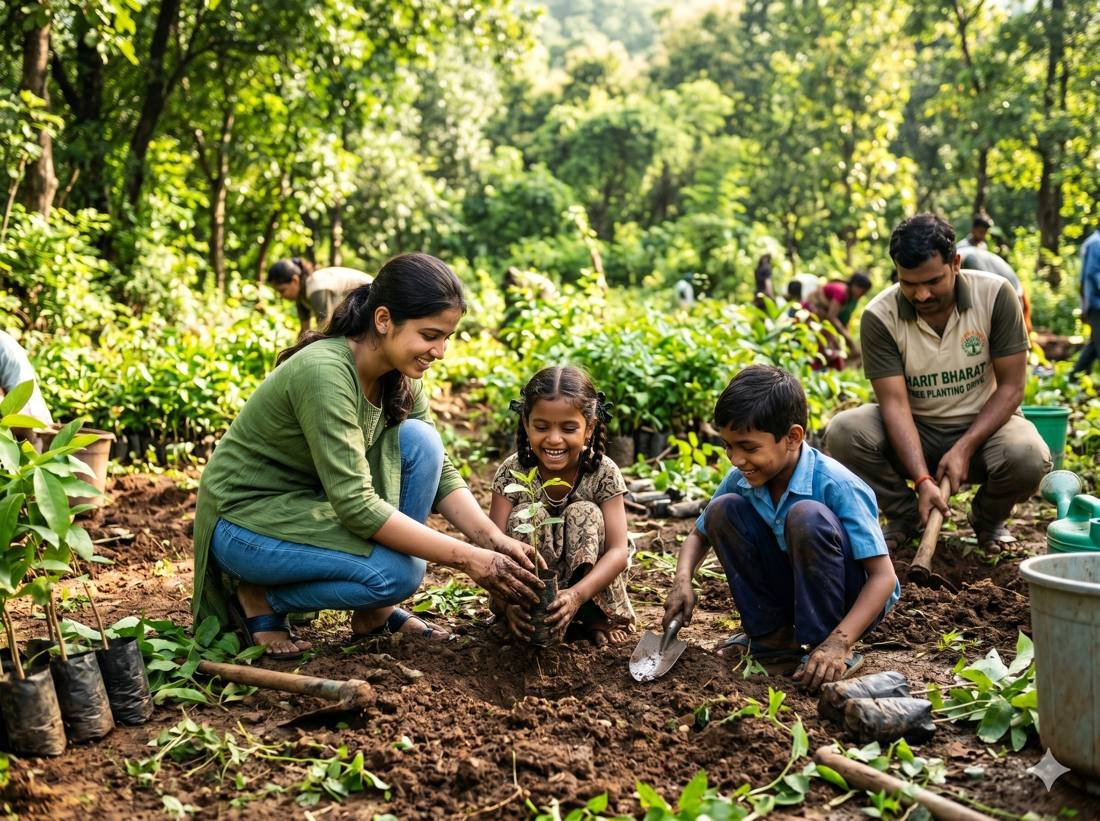
Through ration drives, winter relief and emergency response, we have helped thousands of families get through their hardest days without going hungry or cold. For an elderly widow or a worker between jobs, that monthly kit or that warm blanket has meant the difference between despair and the strength to carry on.
What moves us most is what comes after the crisis passes. Families we first met during a relief drive have gone on to join our skill and education programs, and some are now standing on their own feet — proof that a hand extended in a hard moment can be the first step of a long journey upward.
The truest measure of this program is not how many kits we hand out, but how many families eventually no longer need them. Again and again, a relationship that began with a single ration kit has grown into a skill learned, a job found and a household that now stands on its own — turning a moment of charity into a lasting change of fortune.
Communities remember kindness and pass it on. Families we once helped frequently return as volunteers, packing and distributing kits for others in need, turning gratitude into a chain of giving. Watching those once on the receiving end become givers themselves is, for us, the most hopeful proof that compassion truly multiplies.
Real change is best seen in real lives. Here are just a few of the people whose journeys inspire our work:
Living alone with no income, Savitri receives a monthly ration kit that has become her lifeline — and a regular visit that reminds her she is not forgotten.
After a fire destroyed their home, emergency relief helped the Khans survive the first weeks; today, two family members are enrolled in our skill program.
When illness left Mohan unable to work, a ration kit fed his children for a month and gave him the time he needed to recover and find work again.
Families trust our Help for the Poor program because we give with dignity and without discrimination. We never make people feel small for needing help, and we serve everyone regardless of religion, caste or background. In their hardest moments, people remember not just what they received, but how they were treated — and we work to make sure that memory is one of kindness.
We are also transparent and dependable. When we say relief will come, it comes; when a disaster strikes, we move fast. Donors can see that their contributions reach real families, and communities know that, in a crisis, we are a name they can count on. That dependability is the foundation of the trust we are honoured to hold.
Above all, we promise to keep our Help for the Poor work honest, local and people-first. Every plan we make begins with a simple question — will this genuinely improve a real person's life? — and we are not satisfied until the answer is yes. That single standard guides how we spend every rupee, run every session and treat every person who comes to us for help.
Sponsor ration kits, donate clothes and blankets, or fund emergency relief. Volunteers help us pack and distribute with care. Whatever you give reaches a real family in real need — and reaches them with the dignity every human being deserves.
There are many ways to stand with our Help for the Poor program. You can make a one-time or monthly donation, sponsor a beneficiary, contribute materials, or give your time and skills as a volunteer. Organisations and well-wishers can also partner with us for larger initiatives and drives. To get involved, reach us at nayidishaskillfoundation@gmail.com or call +91 89011 01711 / +91 97282 09402 — every contribution, big or small, becomes real change in someone's life.
We prioritise the most vulnerable — elderly people, widows, the disabled, and families hit by sudden crisis or disaster — without any discrimination of religion or caste.
Kits contain staple food items meant to support a family for a period of time. Contents may vary based on need and the support available.
No. Alongside emergency response we run regular ration distribution and seasonal relief, such as warm clothing and blankets in winter.
We work through trusted local volunteers who know their communities, so relief reaches those who genuinely need it most.
Yes. Wherever possible we link families to government welfare schemes and to our skills and education programs to support lasting self-reliance.
You can sponsor kits, donate clothes and blankets, fund relief, or volunteer to help distribute. Visit our contact page to begin.
No. We help purely on the basis of need, without any discrimination of religion, caste or background. The most vulnerable are always our priority.
Donations are used to buy and distribute ration kits, clothing and blankets, and to fund emergency relief — reaching struggling families directly and with dignity.
When a woman earns, an entire family rises. Our Women Empowerment program turns skills into inco…
Learn More →
Every child carries a spark of possibility. At Nayi Disha Skill Foundation, our Education Suppor…
Learn More →Good health should never be a privilege. Through free camps and grassroots awareness, our Health…
Learn More →