Once kept home to mind her siblings, Aarti now attends our centre daily and tops her class in mathematics. Her mother, who never went to school, proudly keeps Aarti's report card on the wall.

Every child carries a spark of possibility. At Nayi Disha Skill Foundation, our Education Support program exists to make sure that spark is never put out by poverty, distance or circumstance.
Across India, millions of bright, curious children still grow up without a real chance to learn. A torn textbook shared between three students, a classroom with no teacher, a girl pulled out of school to help at home — these are not rare stories, they are everyday reality in the communities we serve. Education Support is our answer to that reality.
We run free learning centres, after-school tuition, and material-distribution drives that reach first-generation learners in villages and urban slums. Our goal is simple but ambitious: that no child in our area is left behind only because their family cannot afford books, fees or guidance. We meet children where they are and walk with them, year after year, until learning becomes a habit and school becomes a place they love.
What sets our work apart is consistency. We do not run a one-week campaign and disappear; we build relationships that last for years, following a child from their first shaky alphabet to the day they confidently sit a board exam. That long-term presence is what turns occasional help into lasting transformation.
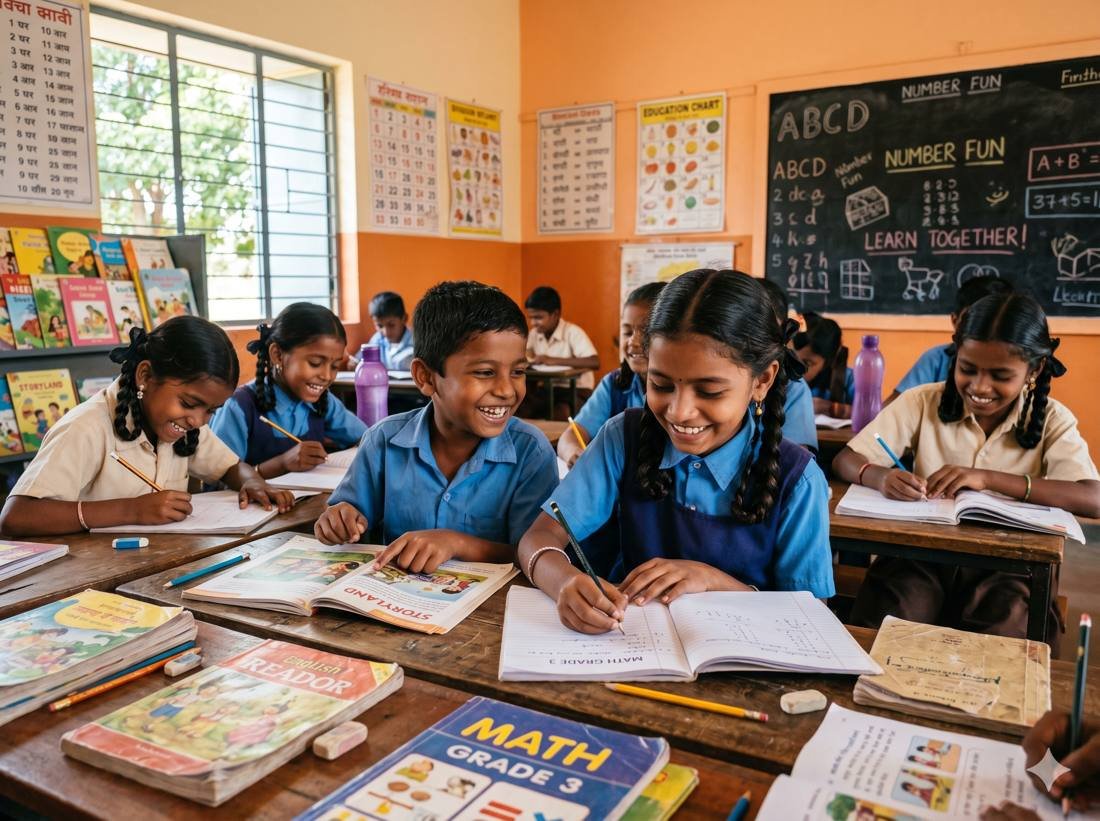
Education is the single most powerful tool a family has to break the cycle of poverty. A child who completes school earns more, marries later, raises healthier children and is far more likely to send the next generation to school too. The effect multiplies across a whole community. When we invest in one child's learning, we are quietly rewriting the future of an entire family line.
Yet the children who need education the most are the ones most likely to miss it. Hidden costs — uniforms, notebooks, transport, private tuition — add up quickly, and when money is tight it is usually the girl child who is asked to step back. Our program is built specifically to remove those barriers, one by one, so that the doorway to learning stays open for everyone.
We also believe education is about more than passing exams. It is about confidence, curiosity and the simple belief that 'I can'. That mindset, once planted, stays with a child for life and becomes the foundation for every other opportunity that follows.
There is also a powerful equality argument. When good education is available only to those who can pay, talent born into poverty is simply wasted, and society loses doctors, teachers and leaders it will never know it missed. By opening the door of learning to every child, we are not just helping individuals — we are widening the pool of human potential a whole nation gets to draw from.
There is a quiet dignity in being educated that money cannot buy. A literate parent can read a medical prescription, understand a government form, help a child with homework and avoid being cheated in the marketplace. These everyday powers, which the privileged take for granted, are exactly what our learning centres pass on — turning helplessness into self-reliance one skill at a time.
Walk into one of our centres on a weekday evening and you will see the real picture of education in underserved India. Children arrive straight from helping their parents — some from fields, some from small workshops, some after a long walk — and settle onto mats with their notebooks. For an hour or two, the noise of survival fades and there is only the quiet work of learning. For many, this room is the only place where someone asks about their homework and genuinely cares about the answer.
The obstacles are real and stubborn. Power cuts interrupt lessons, monsoon roads keep children away, and a single family emergency can pull a promising student out of school overnight. Our teams plan around all of it — keeping flexible timings, visiting absent children at home, and gently convincing parents that one more year of school is worth the sacrifice. Progress here is measured not in grand gestures but in small, hard-won victories repeated day after day.
We deliberately keep our centres rooted in the neighbourhoods they serve, staffed by people who speak the local language and understand local life. This closeness builds trust: parents who might be wary of an outside institution will happily send their children to a teacher they know lives down the road. That trust, more than any building or curriculum, is what keeps children coming back.
Our volunteers often become mentors far beyond the textbook. They counsel children through family troubles, encourage girls whose education is questioned at home, and quietly become the steady adult presence some of these children have never had. This human relationship — not just the lessons — is frequently what keeps a struggling child in school and dreaming of more.
Our Education Support program works on several fronts at once, so that we address not just the symptom but the whole need. Here is how we make a difference on the ground:
Our neighbourhood centres give children a safe, well-lit place to study after school, supported by trained volunteers and teachers. We focus on the basics first — reading, writing and arithmetic — and then build subject confidence so children can keep pace with their grade.
For many families the cost of supplies decides whether a child attends school at all. We distribute notebooks, stationery, school bags, uniforms and reference books so that no child sits in a classroom feeling 'less than' their peers.
The future belongs to children who are comfortable with technology. We introduce basic computer literacy, typing and online safety alongside strong reading foundations, so our students are ready for the world they are growing into.
Children learn best when their families believe in school. We counsel parents, track attendance, and pair students with mentors who guide them through difficult years and encourage them not to drop out.
Our approach is patient, local and child-first. We do not parachute in for a photo and leave; we stay, we listen, and we measure whether children are actually learning.
A few moments from our Education Support work on the ground:
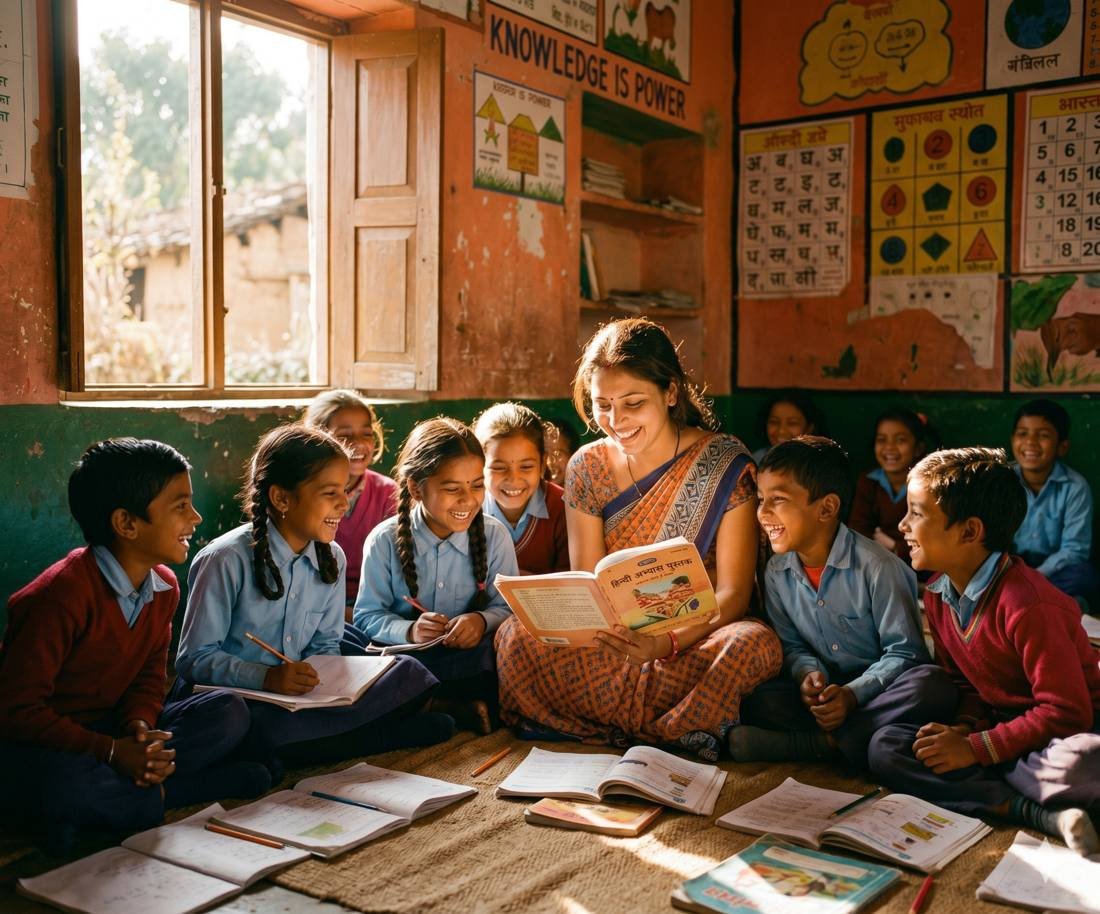
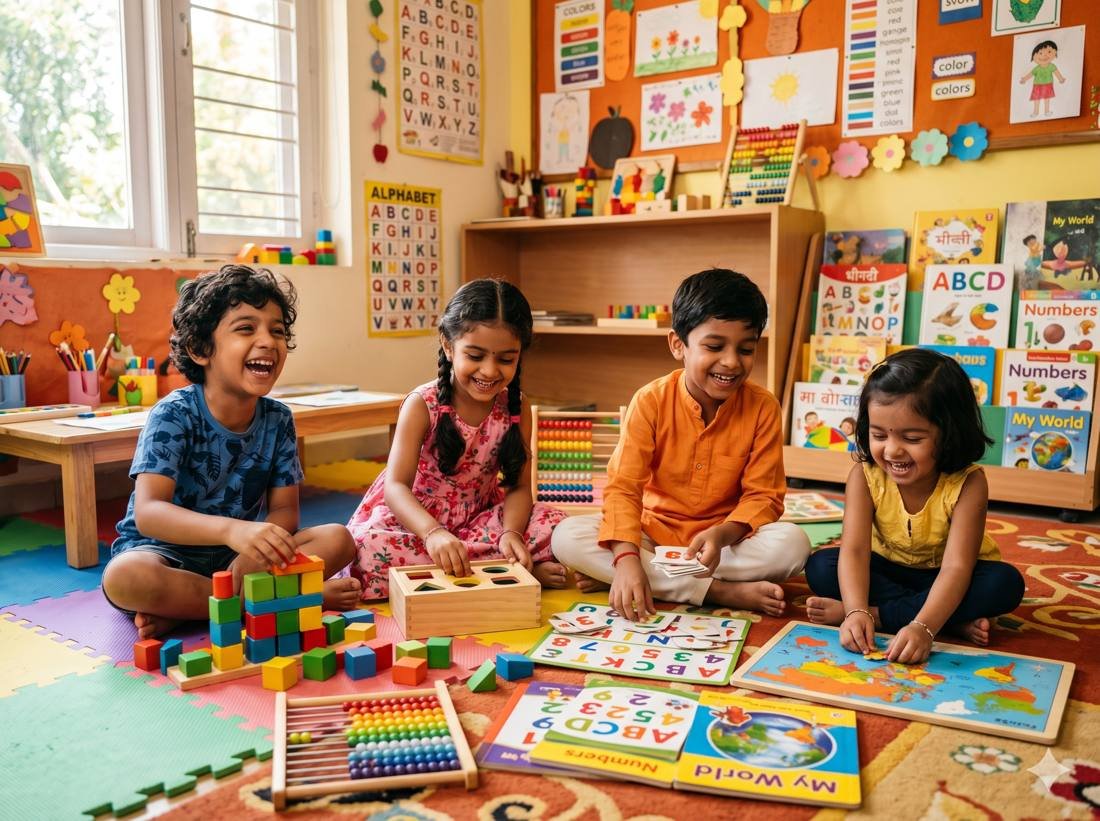
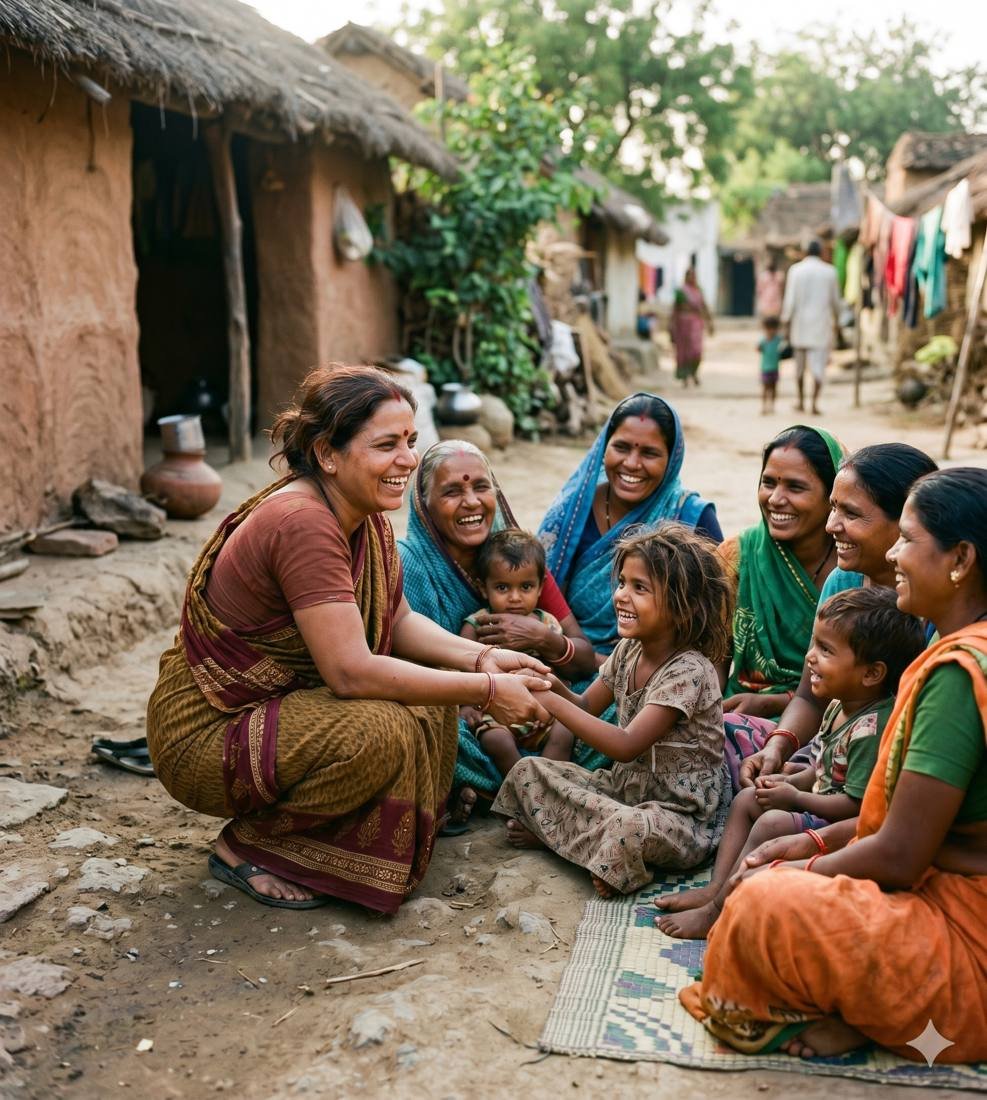
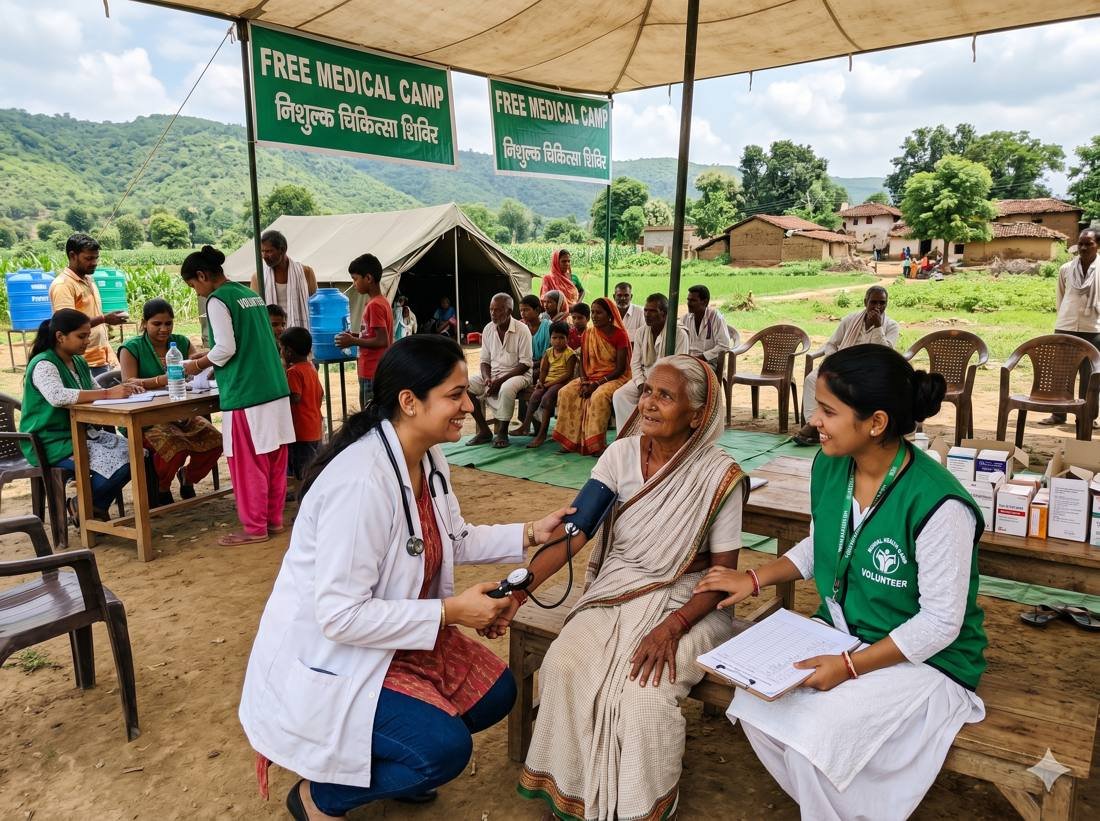
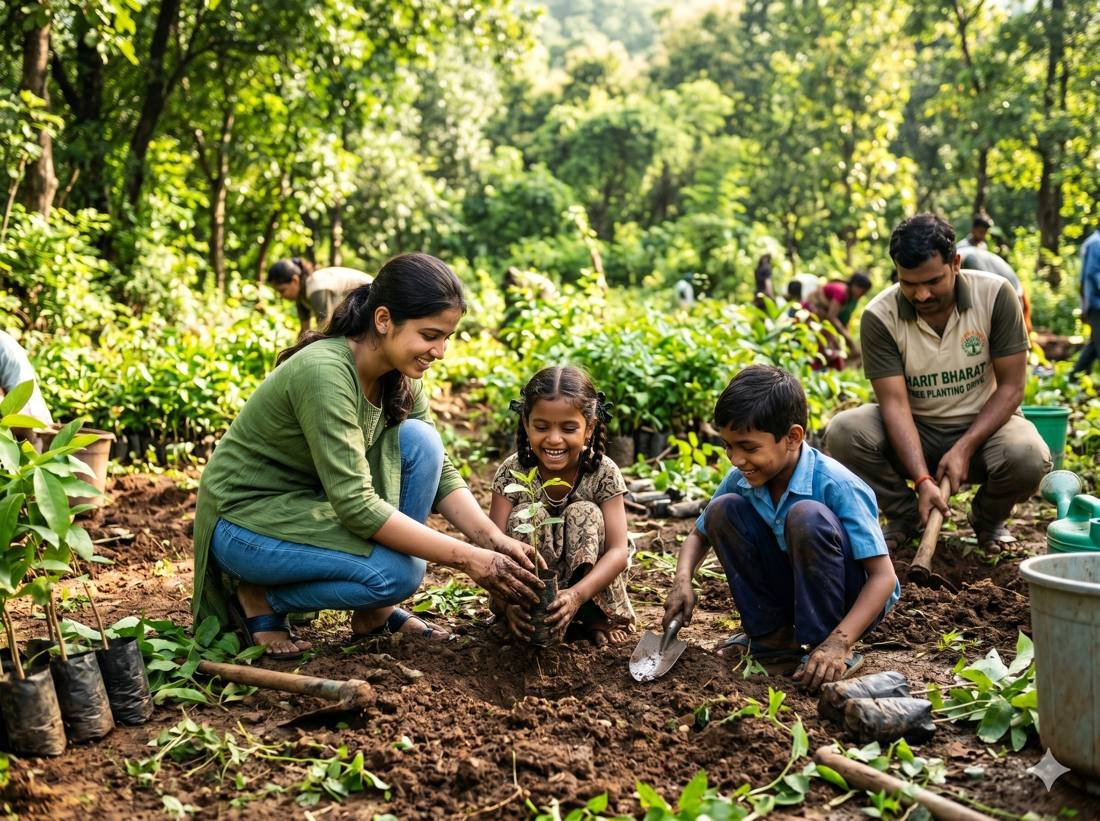
Over the past years, thousands of children have walked through our centres and walked out more confident readers, thinkers and dreamers. Many are the first in their families to reach high school, and a growing number are now sitting for college entrance exams — a milestone their parents once thought impossible.
But the numbers we are proudest of are the quiet ones: the shy girl who now reads aloud without fear, the boy who stopped working at a tea stall and went back to class, the parents who now ask, 'What does my child need to study further?' These are the real measures of change.
Behind every percentage point is a household whose story has changed direction. When a first-generation learner clears an exam, younger siblings suddenly see school as normal and achievable, and parents begin to plan for futures they never dared imagine. This quiet shift in expectation — from 'will my child survive' to 'how far can my child go' — may be the most important outcome of all.
Teachers from local government schools have begun to notice our students standing out — more attentive, better prepared and more willing to ask questions. When the formal system itself starts to feel the lift our centres provide, we know the impact is reaching beyond our four walls and strengthening the wider fabric of education in the community.
Real change is best seen in real lives. Here are just a few of the people whose journeys inspire our work:
Once kept home to mind her siblings, Aarti now attends our centre daily and tops her class in mathematics. Her mother, who never went to school, proudly keeps Aarti's report card on the wall.
A former drop-out who worked at a roadside stall, Rohit was coaxed back through our drop-out drive. He is now preparing for Class 10 and dreams of becoming an electrician.
Too shy to read aloud a year ago, Sneha now leads the centre's reading club and helps younger children sound out their first words.
Families trust our Education Support program because we are transparent, consistent and genuinely invested in their children's futures. We do not promise miracles; we promise to show up every day, to teach with care, and to treat every child as if their success mattered as much as our own. Over the years, that steady reliability has earned us a place in the heart of the communities we serve.
We are also accountable for results. We track attendance and learning, share honest progress with parents, and constantly adjust what we do based on what actually helps children improve. Donors can see where their support goes, and families can see their children growing — not on paper, but in real reading, real confidence and real ambition.
Above all, we promise to keep our Education Support work honest, local and people-first. Every plan we make begins with a simple question — will this genuinely improve a real person's life? — and we are not satisfied until the answer is yes. That single standard guides how we spend every rupee, run every session and treat every person who comes to us for help.
You can sponsor a child's full year of learning material, fund a learning centre, or volunteer a few hours a week to teach. Even a small monthly contribution keeps a child in school and out of child labour. Every rupee you give turns directly into a notebook, a lesson, a future.
There are many ways to stand with our Education Support program. You can make a one-time or monthly donation, sponsor a beneficiary, contribute materials, or give your time and skills as a volunteer. Organisations and well-wishers can also partner with us for larger initiatives and drives. To get involved, reach us at nayidishaskillfoundation@gmail.com or call +91 89011 01711 / +91 97282 09402 — every contribution, big or small, becomes real change in someone's life.
Any child from the communities we serve, regardless of religion, caste or gender, can join. We give priority to first-generation learners, girls, and children at risk of dropping out.
Yes. All tuition, books and learning kits at our centres are completely free, funded entirely by our donors and volunteers.
No. Alongside academics we run reading clubs, basic computer classes, spoken-English practice and life-skills sessions so children grow in confidence, not just marks.
We assess every child regularly, track attendance, and meet parents so support continues at home. Progress, not attendance alone, is how we measure success.
Yes, we offer child-sponsorship where your contribution covers a named child's learning material and tuition for a full year, with regular updates on their progress.
Reach out through our contact page. If you can give a few regular hours and love working with children, we will train and place you at a nearby centre.
Yes. Girls are often the first to be pulled out of school, so we give them special focus — through targeted enrolment drives, mentorship and by working with parents to keep daughters learning.
Donations go directly toward learning materials, centre running costs, teacher and volunteer support, and child sponsorships. We keep overheads low and report on impact regularly.
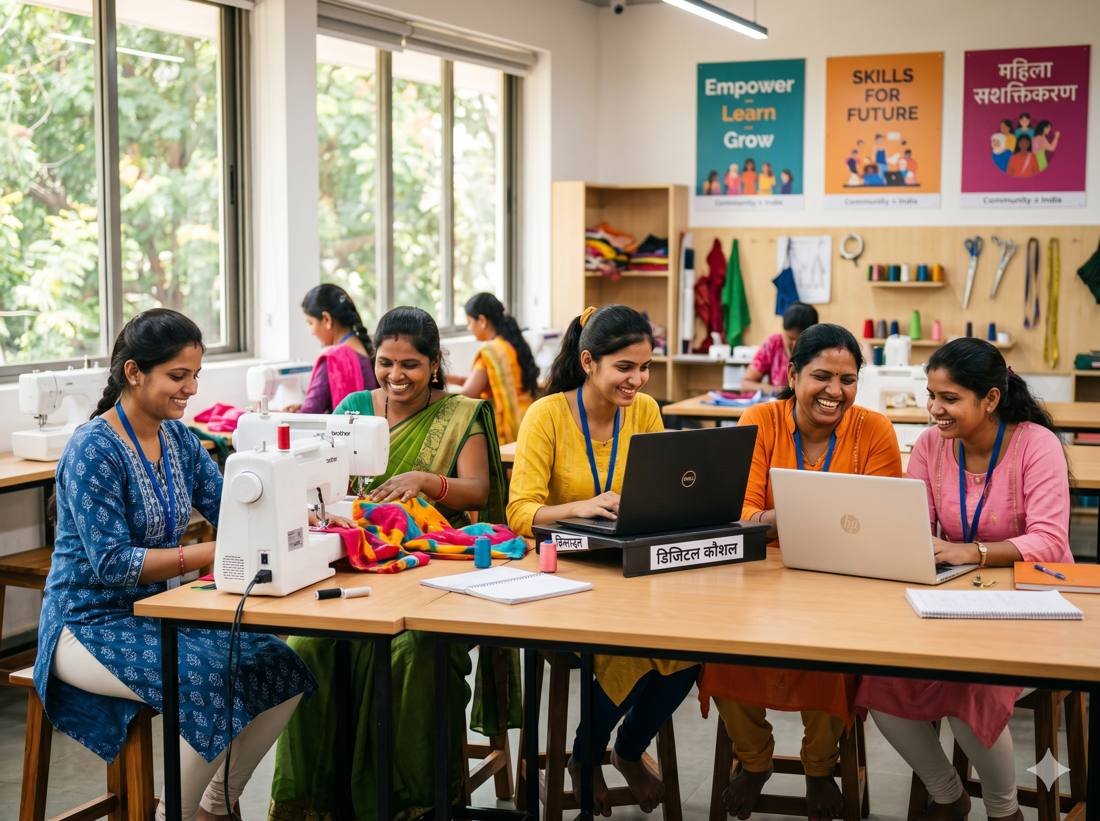
When a woman earns, an entire family rises. Our Women Empowerment program turns skills into inco…
Learn More →The early years shape everything that follows. Our Child Development program nurtures the whole …
Learn More →
Talent is everywhere; opportunity is not. Our Sports & Games Support program gives rural and und…
Learn More →