A routine camp screening caught Kamla's dangerously high blood pressure. With guidance and treatment started in time, she avoided what could have been a fatal stroke.
Good health should never be a privilege. Through free camps and grassroots awareness, our Health Awareness program brings basic care and life-saving knowledge to families who are usually the last to receive either.
In many of the communities we serve, the nearest hospital is hours away, a doctor's visit costs a day's wages, and simple, preventable conditions quietly become serious ones. People do not lack the will to stay healthy — they lack access and information. Our Health Awareness program is designed to close both gaps at once.
We organise free medical camps, health check-ups and awareness drives right inside villages and slums, partnering with volunteer doctors and local workers. We focus heavily on prevention and education, because a family that understands hygiene, nutrition and early warning signs can avoid a great deal of suffering before it ever begins.
We measure success not only by how many people we treat, but by how many illnesses never happen because a family knew better. Prevention is unglamorous work — it rarely makes for dramatic before-and-after photos — but it is where the deepest, most affordable impact lies, and it is where we focus our energy.
The majority of illness among the poor is preventable. Unsafe water, poor sanitation, untreated minor infections, late detection of common diseases — these claim health and income that families can least afford to lose. A single hospital bill can push a household back into deep poverty for years.
Awareness is the cheapest and most powerful medicine we have. When a mother learns to recognise dehydration, when a community understands the value of clean drinking water, when women feel free to discuss their health without shame — lives are saved without a single expensive intervention.
We also pay special attention to women's and elderly health, two groups whose needs are too often ignored. Bringing dignified, judgement-free care to a grandmother or a young mother is at the very centre of what this program stands for.
Healthy communities are also more productive and stable ones. When fewer working days are lost to preventable illness, families earn more steadily, children attend school more regularly, and the whole community grows stronger. Health, in this sense, is not separate from development — it is the very ground that development stands on.
Early awareness saves not just lives but livelihoods. A condition caught and managed in time keeps a breadwinner working and a family financially afloat, whereas the same illness ignored can spiral into debt, sold assets and years of hardship. In this way, a simple screening or a piece of timely advice protects a family's entire economic future.
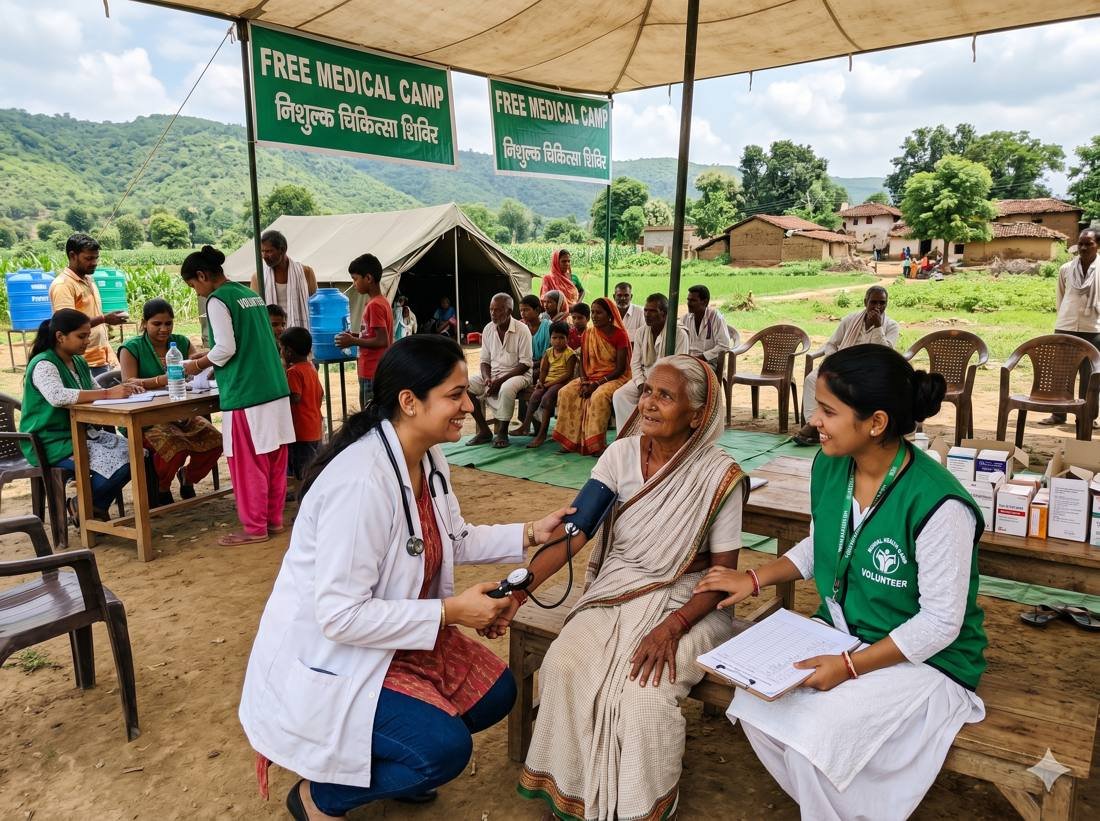
A health camp day begins early. Volunteers set up under a tent or in a school hall, and within an hour a line forms — elderly men leaning on sticks, mothers with babies on their hips, daily-wage workers who took rare time off to be seen. For many, simply being weighed, having their blood pressure taken and being spoken to kindly by a doctor is a new and moving experience. Conditions that had silently worsened for years are finally named, explained and addressed.
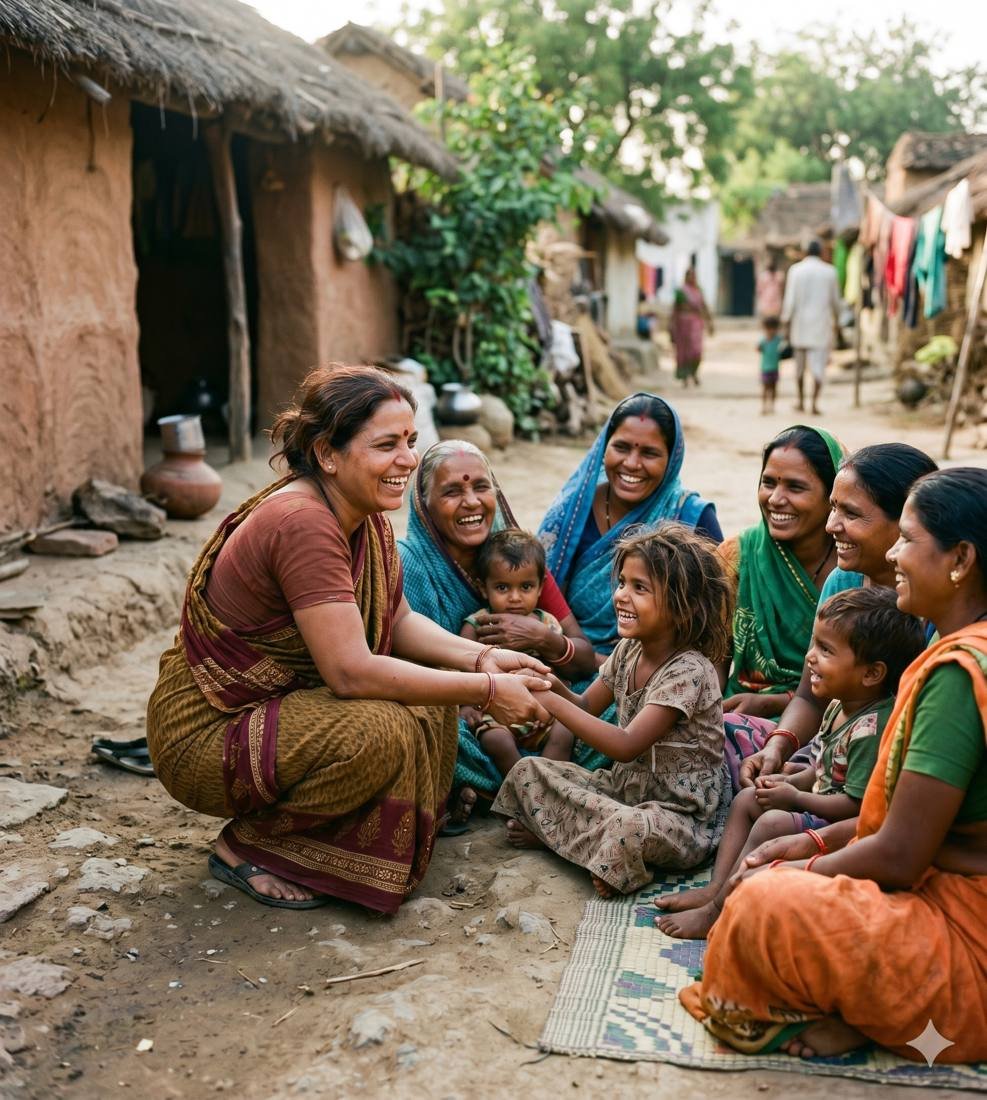
The harder, slower work happens between the camps. Our volunteers return to talk about clean water, hand-washing, nutrition and the early signs of illness, often battling deep-rooted myths and shyness along the way. Change comes gradually: a household that starts boiling its water, a woman who feels able to discuss her health for the first time, a family that brings its grandmother for a check-up instead of accepting her pain as 'just old age'. These small shifts, multiplied across a community, save real lives.
We work closely with local volunteers and community leaders, because health advice is trusted most when it comes from a familiar face. A respected neighbour explaining the importance of clean water will achieve far more than any outside expert. By empowering local champions, we make sure that good health practices continue spreading long after our teams have moved on.
We pay special attention to topics wrapped in silence — menstrual health, mental stress, reproductive care — creating safe spaces where people can finally ask the questions they have carried for years. Breaking these silences is slow, delicate work, but it relieves quiet suffering that no medicine alone could ever reach.
Our Health Awareness program works on several fronts at once, so that we address not just the symptom but the whole need. Here is how we make a difference on the ground:
We bring volunteer doctors and basic diagnostics directly to the community. Camps offer general check-ups, blood-pressure and sugar screening, and referrals for anyone who needs further care.
Most of our impact comes from teaching, not treating. We run sessions on hygiene, nutrition, safe water, and the early signs of common illnesses so families can act before things worsen.
We create safe spaces for women to learn about menstrual hygiene, maternal care and nutrition during pregnancy — topics often surrounded by silence and stigma.
Older members of poor families are frequently neglected. Our camps prioritise the elderly for check-ups, basic medicines and the simple human dignity of being cared for.
We work with the community, not just for it. Local volunteers help us reach the most vulnerable, and we focus on prevention so that awareness keeps protecting families long after a camp has packed up.
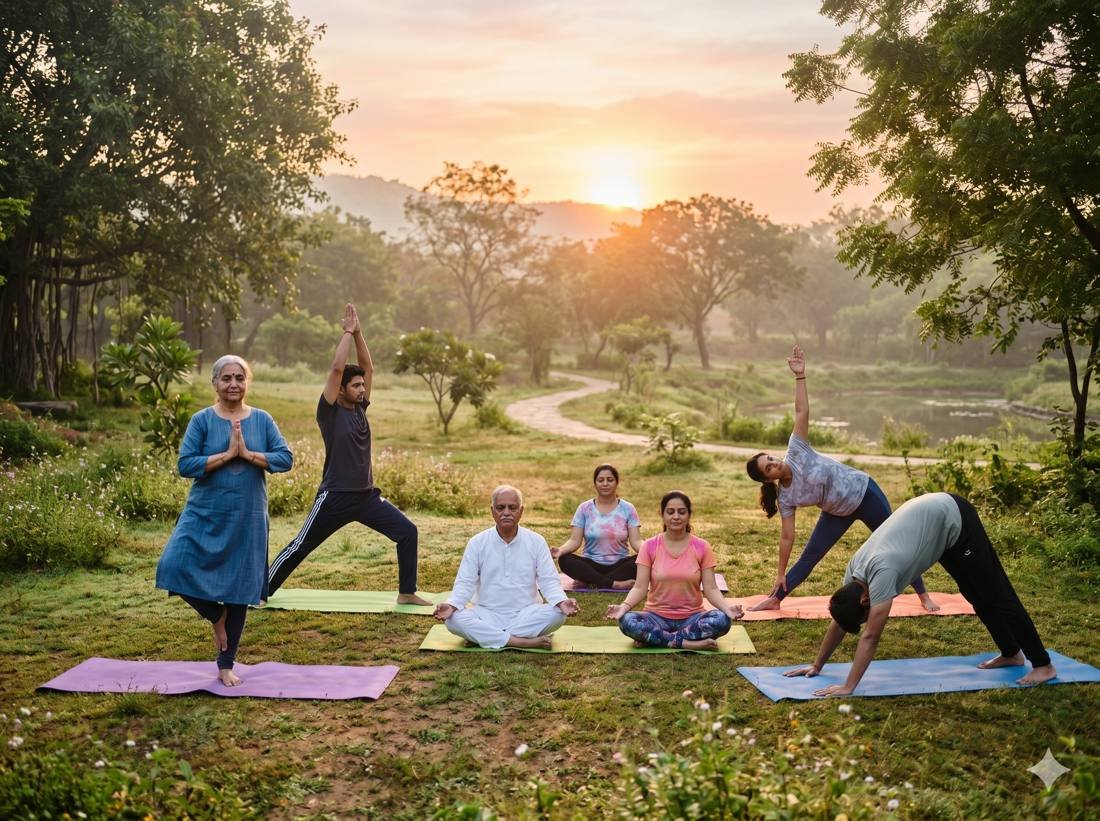
A few moments from our Health Awareness work on the ground:
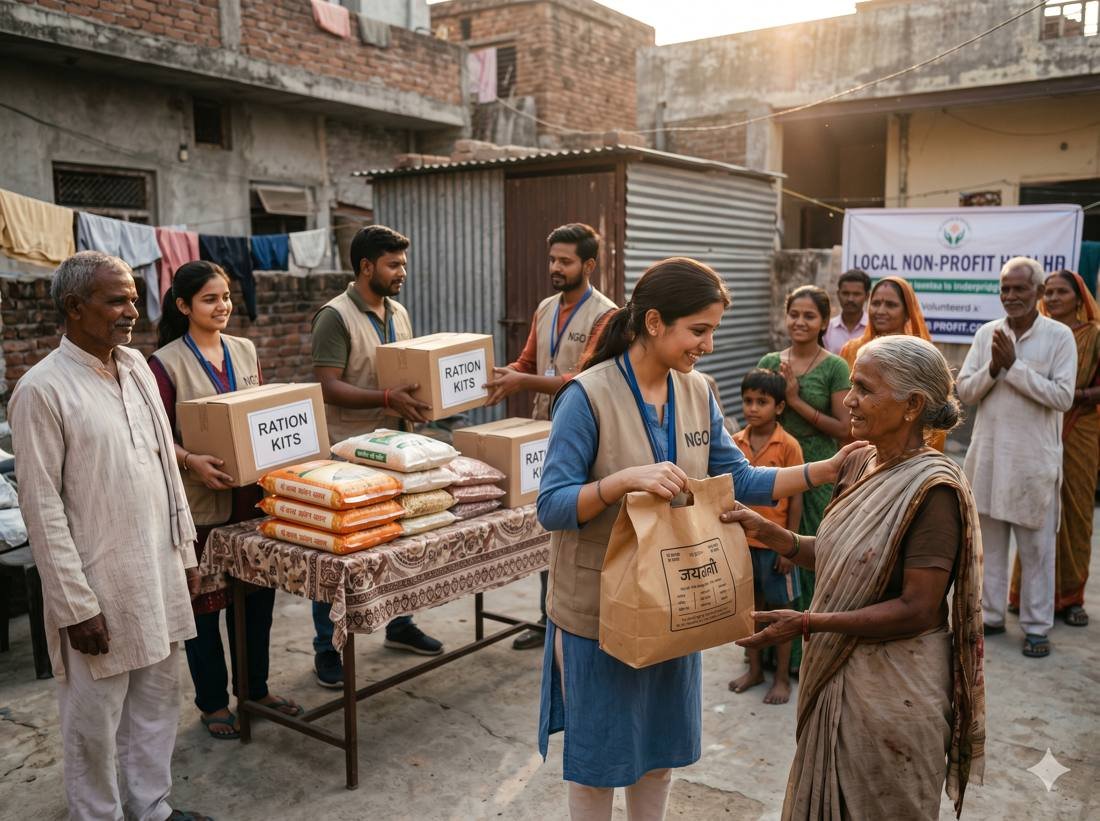
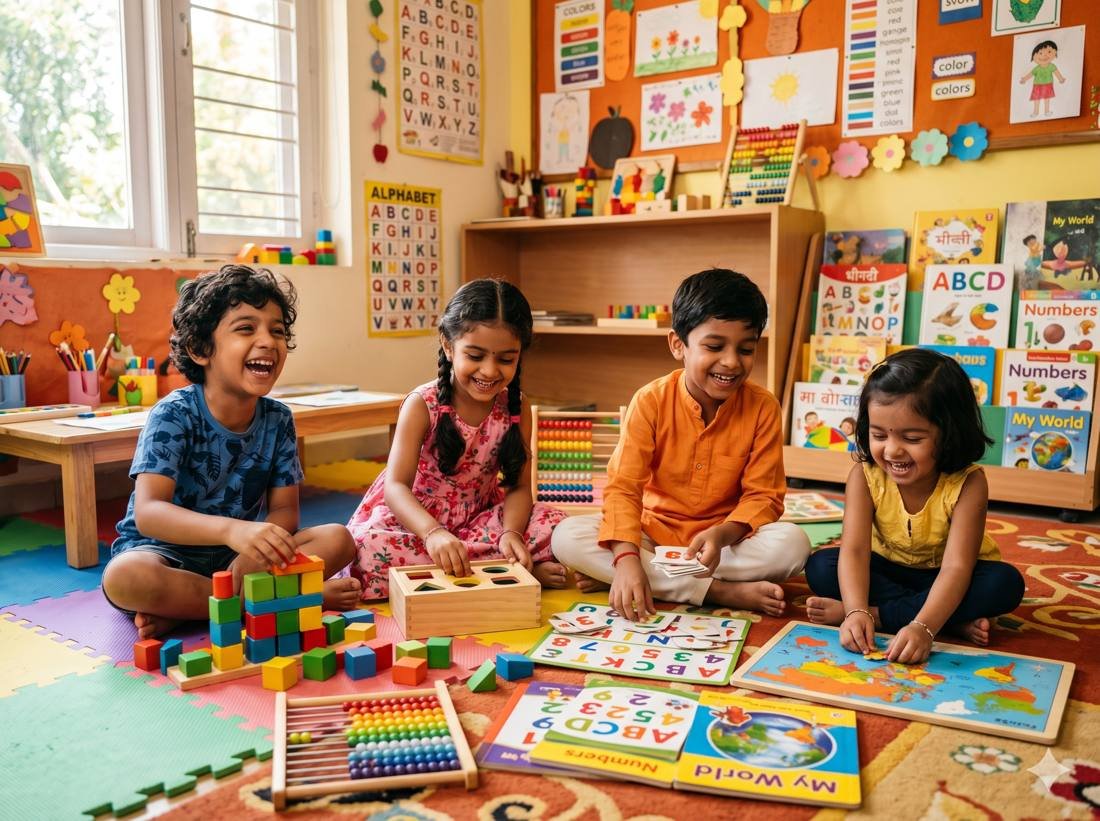
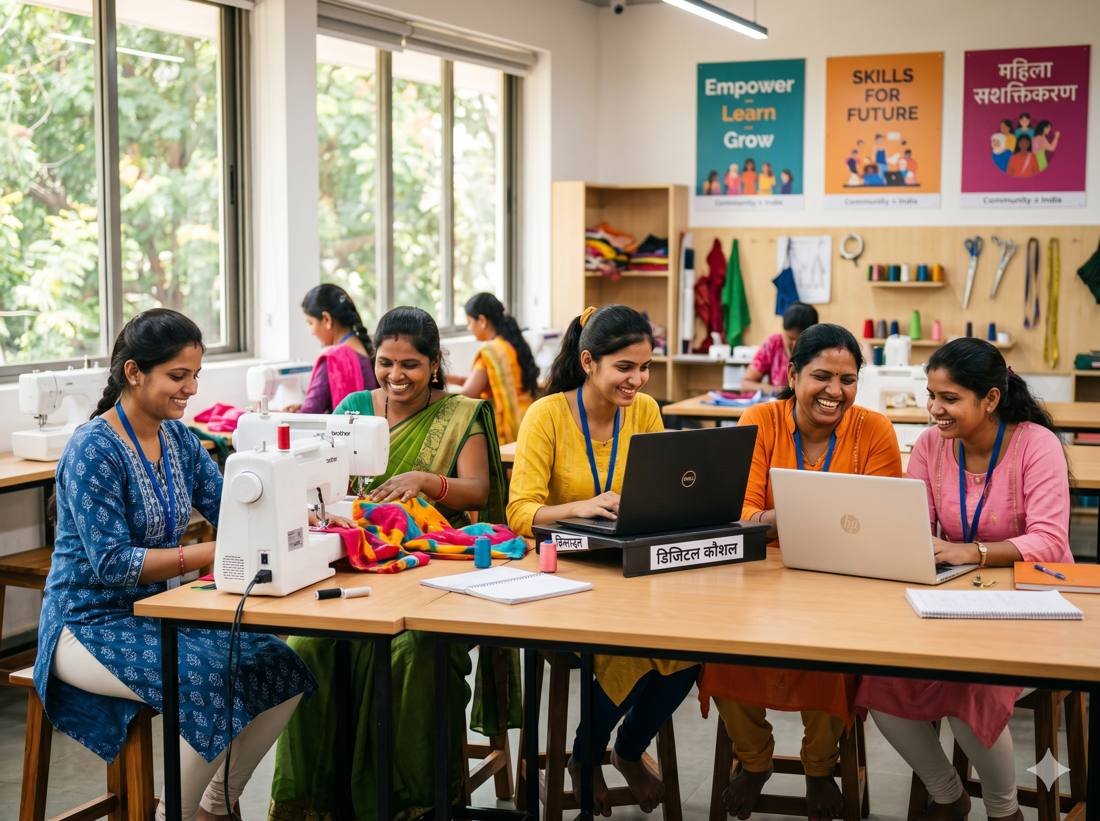
Our camps have screened tens of thousands of people, catching conditions like high blood pressure and diabetes early enough to manage, and connecting serious cases to hospitals before it was too late. For many who attended, it was the first medical check-up of their entire lives.
The awareness drives leave behind something even more lasting: habits. Communities that once shared unsafe water now boil it; mothers who once feared the topic now talk openly about hygiene; families that ignored elders' aches now bring them for care. Knowledge, once given, keeps on healing.
Perhaps the clearest sign of progress is when communities start asking for the next camp themselves, and when villagers who once feared doctors now arrive with questions and confidence. Health, we have learned, is as much about trust and knowledge as it is about medicine — and that trust, once built, becomes a foundation we can keep building on.
Over time, the communities we serve are becoming their own first line of defence. Local volunteers trained through our camps now spot warning signs, share advice and encourage neighbours to seek care early. This growing grassroots health awareness means lives are increasingly being protected from within the community itself, not only when our teams arrive.
Real change is best seen in real lives. Here are just a few of the people whose journeys inspire our work:
A routine camp screening caught Kamla's dangerously high blood pressure. With guidance and treatment started in time, she avoided what could have been a fatal stroke.
Through a women's health session, Priya learned to recognise dehydration in her infant and acted quickly during an illness that could otherwise have turned serious.
An early diabetes screening helped Ramesh change his diet and habits before complications set in, protecting both his health and his ability to keep working.
People trust our Health Awareness program because our care is free, respectful and judgement-free. The elderly, women and the poorest — who are so often overlooked or made to feel like a burden — find in our camps a place where they are treated with patience and dignity. That respect is medicine in itself, and it is why communities welcome us back again and again.
We are also honest about our limits. We screen, treat what we can, and refer what we cannot, always guiding families toward the right further care and government schemes. We never overpromise; we simply do reliable, caring work — and that reliability has built deep trust over time.
Above all, we promise to keep our Health Awareness work honest, local and people-first. Every plan we make begins with a simple question — will this genuinely improve a real person's life? — and we are not satisfied until the answer is yes. That single standard guides how we spend every rupee, run every session and treat every person who comes to us for help.
Fund a free medical camp, donate medicines, or sponsor health-awareness kits for a village. Doctors and nurses can volunteer their skills, and anyone can help spread the word. Your support can be the difference between an illness caught early and one caught too late.
There are many ways to stand with our Health Awareness program. You can make a one-time or monthly donation, sponsor a beneficiary, contribute materials, or give your time and skills as a volunteer. Organisations and well-wishers can also partner with us for larger initiatives and drives. To get involved, reach us at nayidishaskillfoundation@gmail.com or call +91 89011 01711 / +91 97282 09402 — every contribution, big or small, becomes real change in someone's life.
Yes, all check-ups, screenings and basic medicines at our camps are completely free and open to everyone in the community.
General health check-ups, blood-pressure and blood-sugar screening, basic consultations, and referrals to hospitals for anyone needing advanced care.
Both — but we put extra emphasis on prevention. Awareness sessions on hygiene, nutrition and early detection are a core part of every program.
Absolutely. Volunteer medical professionals are the backbone of our camps. Reach out through our contact page to join.
We screen and refer serious cases to appropriate hospitals and help families access government health schemes and further treatment.
Contact us to fund a full camp, donate medicines, or sponsor awareness kits for a specific village or community.
No. Our camps are free and open to all in the community. You can simply come on the day — though local volunteers often help spread the word in advance.
Donations fund medicines, camp logistics, awareness materials and support for volunteer medical teams, so that quality care can reach those who need it most, free of charge.
A healthy body and a calm mind are the foundation of every other opportunity. Our Fitness & Well…
Learn More →When a woman earns, an entire family rises. Our Women Empowerment program turns skills into inco…
Learn More →In a moment of crisis, a little help can mean everything. Our Help for the Poor program delivers…
Learn More →